Invitations Matter: How to Select the Right Format for Better Event Results
When it comes to event marketing, most professionals spend most of their time on logistics, including venue, topic, speaker, and timing. But there’s one element that consistently determines whether an event succeeds or stalls before it even begins: the invitation.
Your invitation is not just an announcement. It is your first impression, your value proposition, and your filter. It sets expectations, signals credibility, and determines who shows up and who ignores you entirely. Even the best event concept will underperform if the invitation fails to resonate with the right audience.
In this blog, we’ll break down how to select the right invitation format and messaging to drive stronger RSVPs, better attendance, and more qualified engagement. We’ll explore proven invitation templates, show how to craft clear, compelling content, explain how visuals influence response rates, and outline smart targeting strategies to ensure your message reaches the people most likely to take action.

Why Invitation Format Matters More Than Ever
Today’s audiences are overwhelmed. Between emails, social media, direct mail, ads, and text messages, most people are exposed to hundreds, if not thousands, of marketing messages each week.
This means your invitation has only a few seconds to communicate relevance and value.
Invitation Format Shape First Impressions
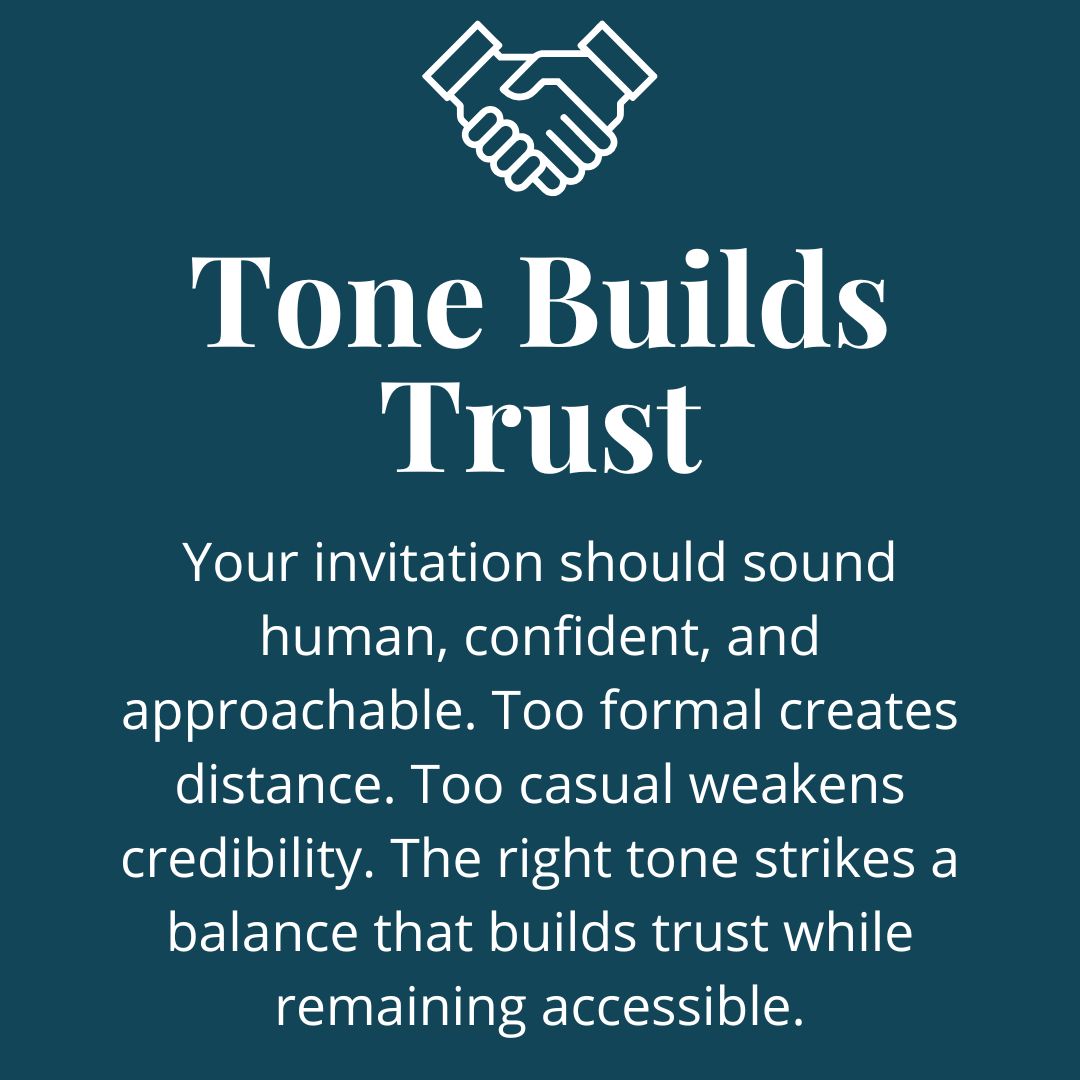
Format influences how your message is received, processed, and trusted. A well-designed invitation immediately answers the questions prospects care about most: Is this for me? Is it worth my time? Do I trust the source?
Poor Design Creates Friction
Even a strong event can underperform if the invitation creates confusion or skepticism. When messaging or design feels unclear, cluttered, or impersonal, prospects hesitate. And hesitation leads to lower response rates.
The goal isn’t simply to generate more RSVPs. The goal is to generate the right RSVPs. People who are aligned with your topic, motivated to attend, and more likely to engage meaningfully during and after the event.
Proven Invitation Templates That Get Results
While there is no one-size-fits-all invitation, certain formats consistently perform well because they align with how people consume information and make decisions. The most effective invitations balance clarity, credibility, and urgency without overwhelming the reader.
Some of the most proven invitation structures include:
Problem–Solution Invitations
These invitations lead with a challenge your audience recognizes, followed by a clear promise of how the event will help address it. For example, instead of simply promoting a “Retirement Planning Seminar,” the invitation might focus on common financial uncertainties and position the event as an educational opportunity to gain clarity and confidence.
Educational, Non-Sales Invitations
Invitations that emphasize learning over selling tend to perform better, particularly in regulated or trust-based industries. These formats focus on insights, strategies, and takeaways attendees will gain, rather than products or services being promoted.
Outcome-Focused Invitations
Rather than listing agenda items, these invitations highlight what attendees will walk away with. This shifts the focus from what the event is to why it matters.
Authority-Led Invitations
These formats lean into expertise and credibility, using credentials, experience, or data points to establish trust early. This is especially effective when audiences are cautious or skeptical.
Each of these templates works because it aligns messaging with audience motivation. The key is selecting the format that best matches your audience’s mindset, level of awareness, and stage in the decision-making process.

Writing Clear, Compelling Invitation Content
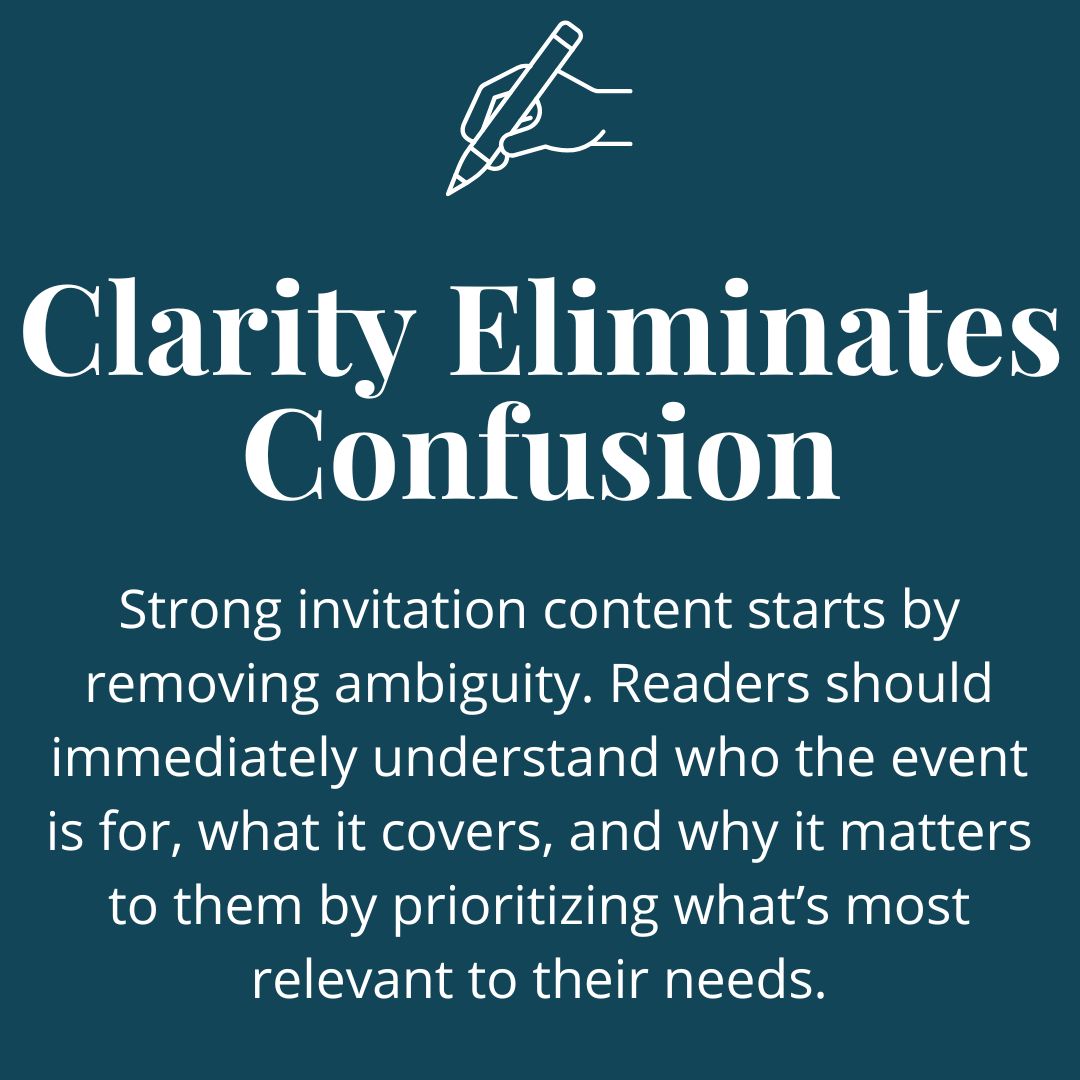
Even the best format will fall flat if the content itself is unclear or overly complex. Clarity is one of the most underestimated drivers of response. When prospects have to work to understand what you’re offering, they’re far more likely to disengage.

Smart Targeting Strategies That Improve RSVP Quality
Even the most compelling invitation will underperform if it reaches the wrong audience. Targeting is not just about maximizing reach. Rather, it’s about maximizing relevance.
Effective targeting starts with understanding who is most likely to benefit from your event. This includes demographic factors, as well as behaviors, interests, and prior engagement. Invitations perform best when delivered to audiences that already show signs of need or intent.
Segmenting your audience allows you to tailor messaging and format more precisely. For example, a first-time prospect may respond better to educational framing, while a past attendee may be more receptive to deeper or more advanced content.
Timing and channel selection also influence targeting success. Some audiences respond better to digital invitations, while others engage more with physical mail. Often, a coordinated, multichannel approach reinforces the message, increases familiarity, and improves response rates without increasing confusion.

Choosing the Right Invitation Format: What Works Best?
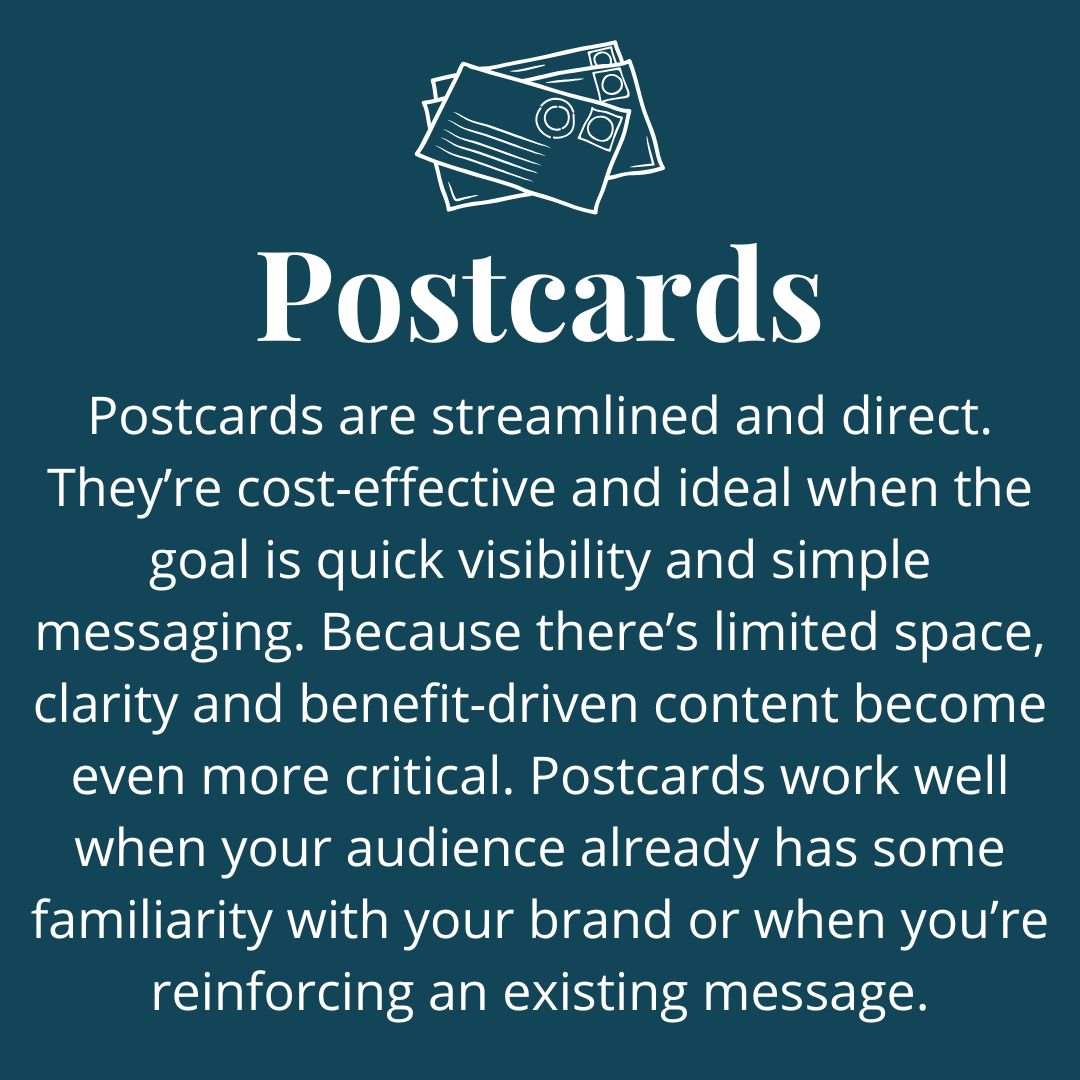
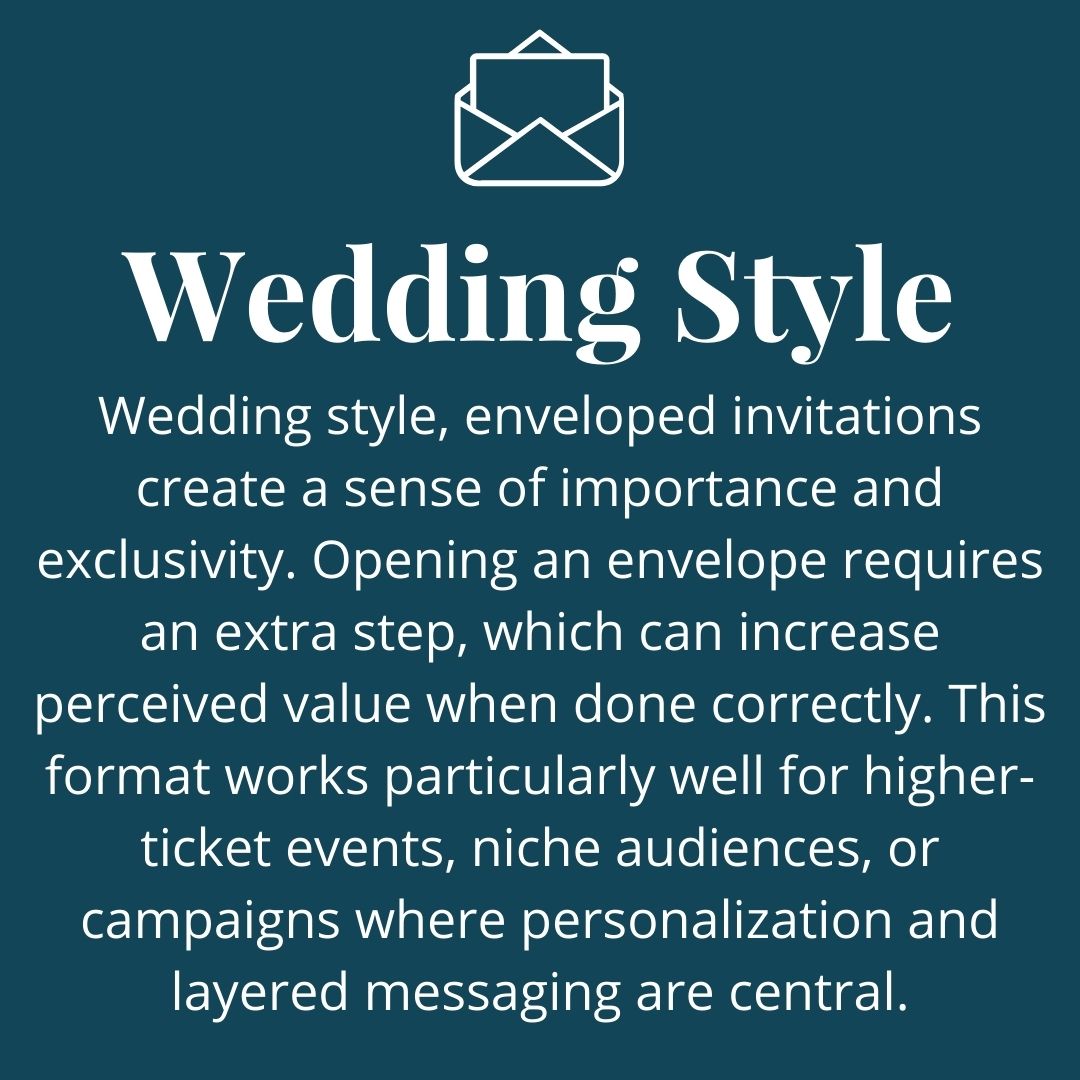
When it comes to invitation strategy, format matters just as much as messaging. The structure of your mail piece influences how it’s opened, how it’s read, and how seriously it’s taken. And there isn’t a one-size-fits-all solution.
Each option has distinct advantages, and the right choice depends on three key factors: your audience, your goals, and your budget.
It’s Not Just the Format—It’s the Integration
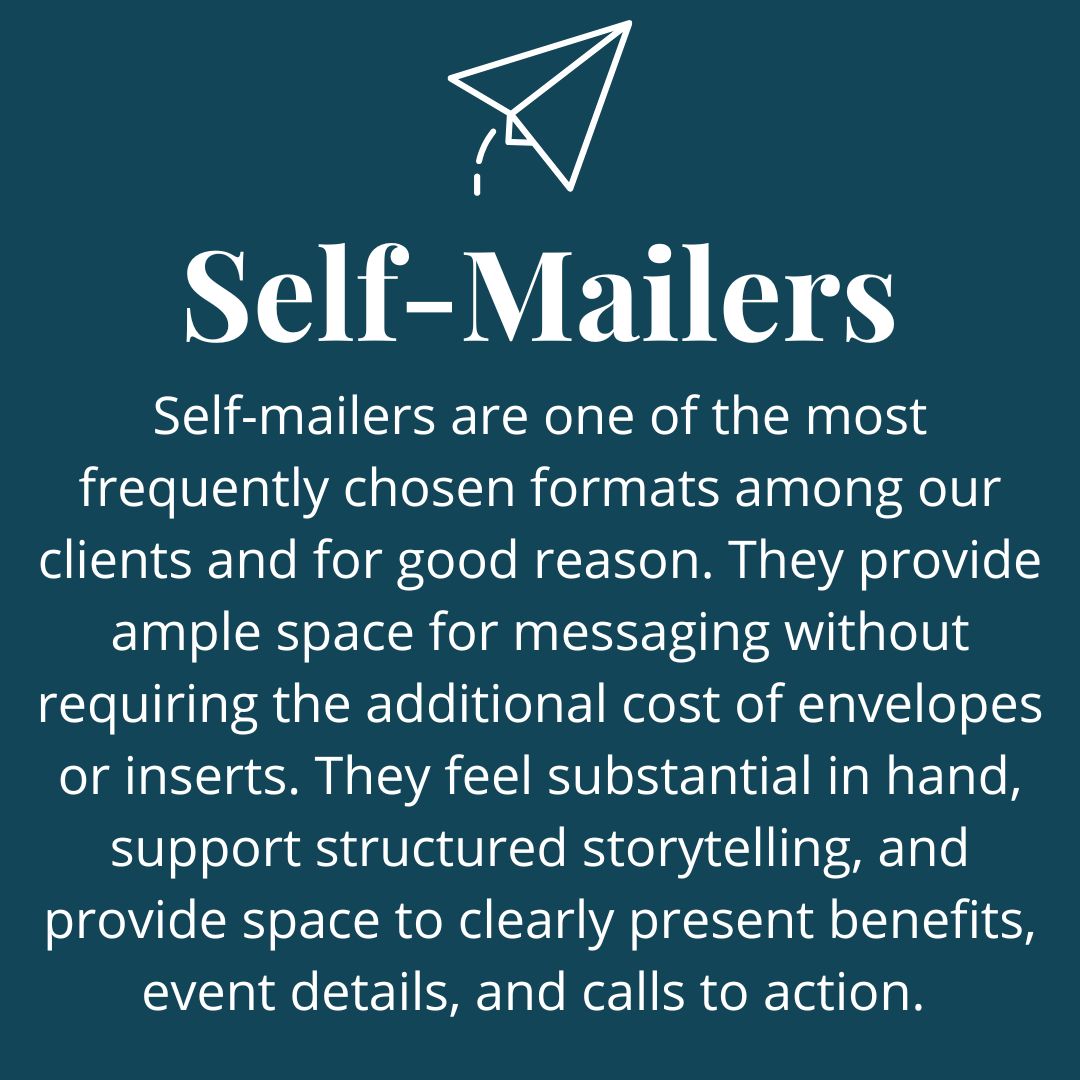
While self-mailers are the most commonly selected option in many of our campaigns, that doesn’t mean they’re automatically the best choice for every situation. The effectiveness of any format depends on how well all elements work together.
Content, tone, visuals, personalization, and call-to-action placement must align with the format you choose. A beautifully designed mailer with unclear messaging will underperform. A strong message placed in a poorly structured format can lose impact. Success happens when the entire invitation system works cohesively.
Ultimately, the goal isn’t just to send mail—it’s to connect with consumers. And that connection happens when format, messaging, and strategy are intentionally aligned around your audience and your objectives.
Why Personalization of Invitations Is Crucial for Success
In today’s crowded marketing environment, a generic invitation simply isn’t enough. Prospects are inundated with messages every day. If your invitation looks and feels like it was sent to “Current Resident,” it will likely be treated the same way: ignored.
Personalization changes that dynamic immediately.
When an invitation speaks directly to the recipient by name, location, interest, or even stage of life, it signals relevance. And relevance is what cuts through the noise. A personalized invitation communicates, “This was meant for you.” That subtle shift makes a measurable difference in response behavior.
In fact, our nine-year case study analyzing campaign performance across industries revealed something powerful:
Personalized invitations generated
20.97%
more RSVPs than non-personalized versions.
Plus, they cost
$11.71
less per registration on average.
That’s not just a marginal improvement. That’s a significant lift in attendance and a meaningful reduction in cost per acquisition. Over the course of a year or across multiple campaigns, that performance gap compounds quickly.
Why does this happen? Because personalization doesn’t just increase visibility. It increases engagement.
When recipients see their name, their city, or messaging aligned with their needs, they feel acknowledged. And when people feel acknowledged, they are more likely to respond.
Personalization Builds Connection and Connection Drives Results
At its core, personalization isn’t about data fields. It’s about connection.
We understand that effective marketing is not about blasting a message to as many people as possible. It’s about delivering the right message to the right person at the right time and making them feel seen in the process.
That’s why personalization isn’t an add-on or premium feature in our campaigns. It’s a standard.
Every LeadingResponse campaign includes personalization because we know it directly impacts performance. It strengthens engagement, improves response rates, and drives down cost per registration. Most importantly, it helps you build meaningful connections with the people you want to serve.
And in a world where attention is limited and competition is high, those connections are what ultimately drive results.
Why Testing and Optimization Matter
The invitation strategy should never be static. Testing different formats, headlines, and visuals over time provides valuable insight into what resonates most with your audience. Small adjustments can lead to meaningful improvements in RSVP rates and attendance quality.
Optimization isn’t about constantly reinventing your approach. Instead, it’s about refining it. Learning which messages attract your ideal audience allows you to make more informed decisions and build a repeatable framework for future events.
Over time, this data-driven approach helps you move from guessing to knowing what works best, making every invitation more effective than the last.
Aligning Invitation Strategy With Event Goals
One of the most common mistakes in event marketing is misalignment between the invitation and the event’s actual purpose. Invitations that overpromise or misrepresent the experience may drive RSVPs, but they often result in lower attendance or disengaged participants.
Your invitation should act as a filter, not a lure. It should attract people who are genuinely interested in the topic and comfortable with the format. This leads to better attendance rates, more meaningful conversations, and stronger post-event outcomes.
Clear expectations also reduce friction. When attendees know what to expect, whether it’s educational, interactive, virtual, or in-person, they are more likely to show up prepared and engaged.
Final Thoughts: Invitations Are Strategic Tools
An invitation is not just a piece of marketing collateral. Rather, it’s a strategic tool that shapes the success of your event from the very beginning. The right format, messaging, design, and targeting work together to attract the right audience and set the stage for meaningful engagement.
When invitations are treated thoughtfully and strategically, events become more efficient, attendance improves, and outcomes are stronger. And in a crowded marketing landscape, that attention to detail makes all the difference.
Want More Data about Seminars?
This isn’t guesswork. Our white paper breaks down attendance trends, show-rate performance, and scheduling insights backed by real event data.
Let’s Build Your 2026 Seminar Strategy Together
Don’t leave your 2026 events to chance. Our team will work with you to optimize timing, topics, and follow-up strategies, turning your seminars and webinars into consistent growth opportunities.
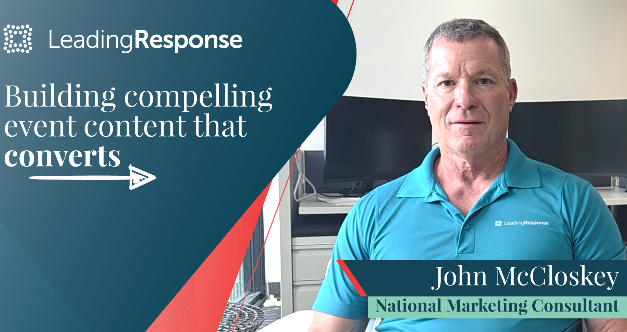
Building Compelling Event Content That Converts

The Power of Combining Digital + Direct Mail to Fill Your Events

Workshops vs. Seminars: Which Educational Format Fits Your Goals?

Closing Business At and After a Live Event

Hosting Engaging Online Events in Slower Months: Webinar Strategies for Summer Growth
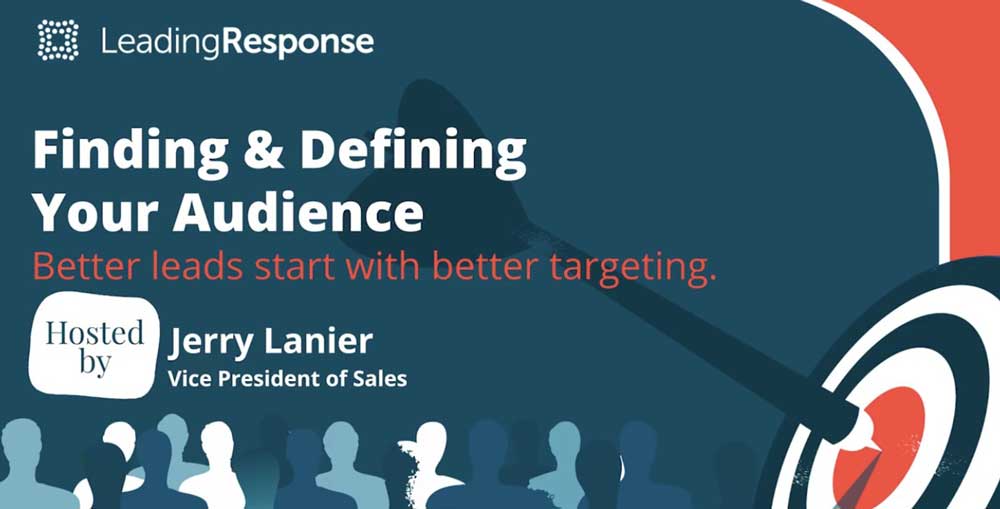
Finding & Defining Your Audience

Maximize Attendance & ROI: How to Plan Seminar and Webinar Dates That Perform

Invitations Matter: How to Select the Right Format for Better Event Results

Planning Seminar & Webinar Dates for Maximum Impact